Can You Get Enough Protein on a Plant-Based Diet?
Yes—many people can meet protein needs with plant foods. The key is adequate overall intake, variety and an eating pattern that fits the individual.
Plant Protein Path is independent. Some product links may earn us a commission at no extra cost to you. We do not claim to have personally tested products unless explicitly stated.
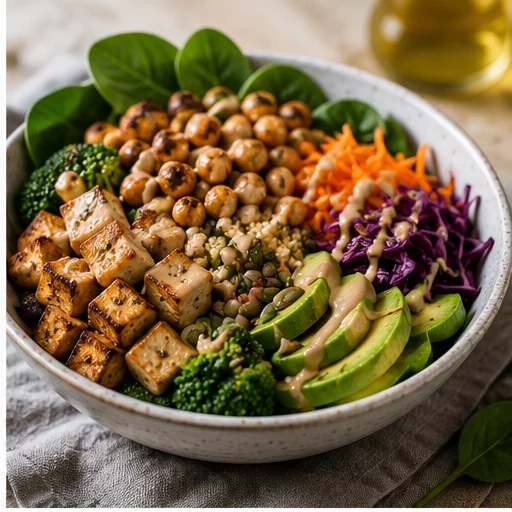
Plant protein foods include legumes, soy foods, nuts, seeds and grains. MedlinePlus notes that animal products are not required to get all the protein you need.
What matters most
- Plant protein foods include legumes, soy foods, nuts, seeds and grains.
- MedlinePlus notes that animal products are not required to get all the protein you need.
- Needs vary with age, health and physical activity.
How to use this information
Protein-powder decisions are easier when you separate the basic nutrition question from the marketing. Start with your overall eating pattern, then decide whether a supplement solves a real convenience or dietary-fit problem. Once a powder is useful, compare the label rather than relying on front-of-pack superlatives.
- Build meals around substantial protein foods rather than relying on tiny amounts scattered across the day.
- Use a powder only if it makes your routine easier.
- People with special medical, pregnancy, adolescent or athletic needs may benefit from individualized advice.
Label-reading checklist
| Check | Why it matters |
|---|---|
| Protein per serving | Lets you compare products on the nutrient you are primarily buying. |
| Serving size | Prevents misleading comparisons between unusually small or large scoops. |
| Protein sources | Helps with dietary preference, allergens, taste and amino-acid considerations. |
| Other ingredients | Shows sweeteners, flavors, gums, micronutrients and other additions. |
| Cost per serving | More useful than container price when pack sizes differ. |
Next: compare plant protein powders
Use a label-first buying guide before choosing a product.
See the buying guideHealth and nutrition context
Protein is an essential nutrient used throughout the body. Needs vary by age, health and activity level. Public-health sources also emphasize that protein can come from a range of plant and animal foods, and that a varied eating pattern matters. This site does not provide personalized medical nutrition advice.